
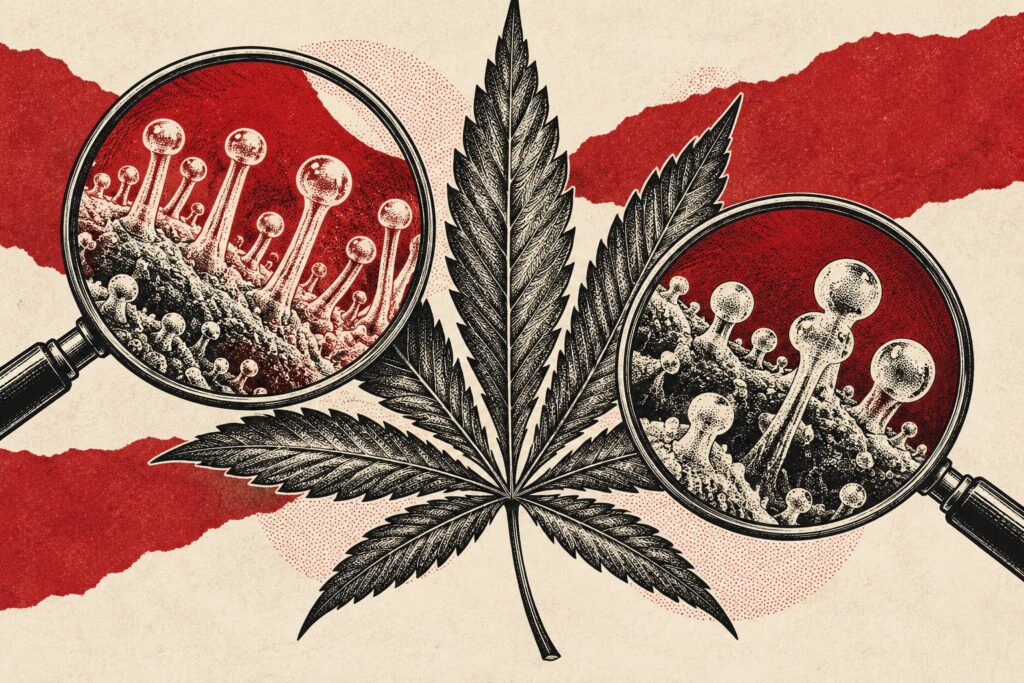
THC and CBD are compounds found in cannabis, but their names are not interchangeable. Understanding the distinction can help readers recognize misleading health claims.
What do THC and CBD mean?
Delta-9-tetrahydrocannabinol, usually called THC, is the compound responsible for the intoxicating “high” associated with cannabis. Cannabidiol, or CBD, is a different cannabis compound. A CBD label is not a guarantee of safety or a medical benefit. FDA: cannabis and CBD consumer information.
Does CBD have risks?
The FDA identifies possible liver injury, medication interactions and drowsiness among CBD-related concerns. Questions about CBD, existing medicines or a health condition belong with a healthcare professional. The FDA also cautions that many marketed CBD health claims have not been proven. Read the FDA’s safety discussion.
How should readers assess a health claim?
Look for a specific source, the population studied and the limits of the evidence. A product testimonial does not establish that a substance treats a disease. Avoid treating broad descriptions such as “natural” as evidence of safety.
Where to learn more
For a wider overview of health effects, see the CDC’s cannabis questions and answers. This guide provides general education, not a diagnosis, treatment plan or product recommendation.
Sources checked October 26, 2026. Information can change as research develops.